
What is AL-LAD L-Tartrate?
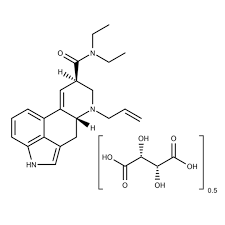
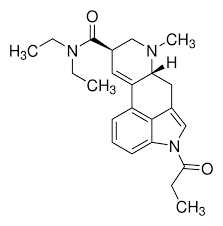
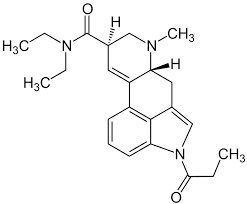
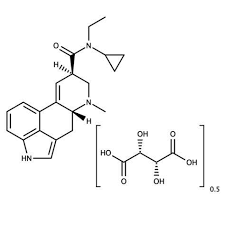
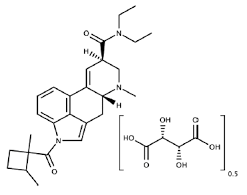
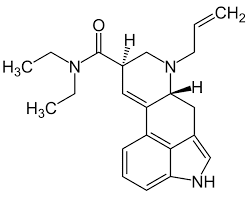
AL-LAD L-Tartrate is a chemical compound primarily recognized for its unique properties in the research community. Structured as a derivative of AL-LAD (6-allyl-6-nor-LSD), this substance is bonded with L-tartrate to enhance its stability, making it easier to handle in experimentation or research contexts. Known for its potency and psychoactive possibilities, scientists and researchers often view it as a fascinating subject within studies of serotonergic compounds. AL-LAD L-Tartrate provides potential insights into neurological mechanisms and pathways, captivating the attention of researchers worldwide.
How Did AL-LAD L-Tartrate Come About?
The origins of AL-LAD L-Tartrate trace back to advancements in psychedelic research. AL-LAD itself emerged on the scientific scene in the early 1980s and was subsequently modified with L-tartrate to improve its stability and usability. Combining AL-LAD with L-tartrate allowed precise dosing and easier handling, fueling interest in its exploration in controlled settings. Over the years, AL-LAD L-Tartrate has grown in prominence as researchers seek deeper understandings of its properties, benefits, and chemical interactions.
Hazard Statements and Safety Precautions
Handling AL-LAD L-Tartrate requires caution, given its psychoactive and chemical nature. As with any research chemical, it’s critical to follow safety protocols to avoid unintended exposure or misuse. Proper personal protective equipment (PPE), such as gloves and goggles, is recommended for handling. Additionally, AL-LAD L-Tartrate should always be stored securely in a controlled environment, away from unauthorized personnel and incompatible substances. Only trained professionals within specialized settings should engage with AL-LAD L-Tartrate, ensuring compliance with local laws and ethical guidelines.
In summary, AL-LAD L-Tartrate offers researchers a fascinating compound for studying serotonin pathways, while its origins reflect the historical evolution of psychedelic science. Always prioritize safety and handle responsibly in laboratory environments.
| QUANTITY | 100 mg |
|---|
Be the first to review “Buy AL-LAD L-tartrate Pure”
Related products
Buy Lysergamides
Buy Lysergamides
Buy Lysergamides
Buy Lysergamides
Buy Lysergamides
Buy Lysergamides
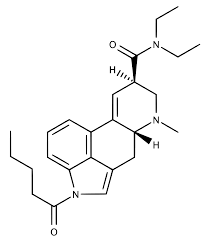
Buy Lysergamides
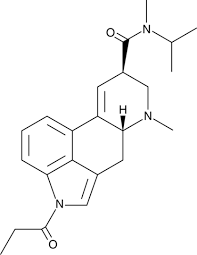
Buy Lysergamides
Reviews
There are no reviews yet.